Turkey Cracks Down on Dissent: Comedians, Activists, and Sick Prisoners Face Courts as 29 Cases Clear African Human Rights Body
Turkish authorities are escalating arrests and prosecutions of activists, comedians, and social media users while rights groups protest the detention of seriously ill prisoners and LGBT+ advocates. Meanwhile, the African Court on Human and Peoples' Rights has completed 29 legal matters, signaling continental accountability efforts.
Turkish authorities are waging a sweeping crackdown on free expression and political dissent, jailing comedians for jokes, arresting citizens for social media posts, and prosecuting human rights defenders detained during the NATO summit, according to rights groups and court records [252012][251980][252019].
A Turkish comedian, Deniz Goktas, is on trial for jokes he told about President Recep Tayyip Erdogan and Islam. He faces charges of "insulting" the president, "praising" crime and criminals, and "inciting hatred and hostility" [251980]. Turkey is officially a secular country with laws meant to protect free speech, but critics say those laws are routinely used to punish people who question the government or Islam [251980].
The crackdown extends beyond comedy. Turkish authorities are arresting people for social media posts, with a joke or critical tweet leading to immediate detention at home. One man was jailed simply for making a joke, illustrating how quickly online comments can trigger legal action [252012].
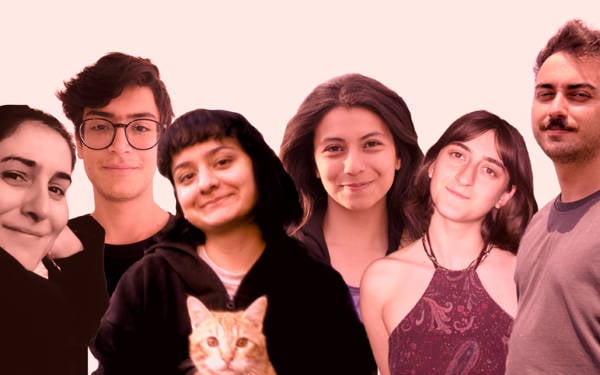
Human rights advocates arrested during the NATO summit appeared before a judge on Thursday. The Human Rights Association (IHD) called for the release of the jailed defenders and for an end to their trials [252019]. Among those detained was a university student and LGBT activist known as Duru, who was arrested during operations ahead of the NATO summit. Duru has been released from detention in Ankara and will now face trial without being held in custody, with the next hearing set for January 7, 2027 [249940].
The Global Unions Council has condemned the targeting of LGBT+ organizations, activists, union members, and human rights defenders in the "My Family Is Safe" operations. The Council called for the release of those detained and for an immediate end to the operations [249951].
Separately, human rights advocates gathered in Istanbul and Ankara to demand the release of seriously ill prisoners. The Human Rights Association (IHD) and the Sick Prisoners Freedom Initiative organized the protests. The groups say authorities are blocking medical treatment for these prisoners, pointing out that even with hospital and forensic reports, seriously ill inmates are not being released. They argue that keeping sick inmates behind bars violates their right to care [251107].
In a significant continental development, the African Court on Human and Peoples' Rights (AfCHPR) has completed 29 legal matters from across the continent. The court held its 82nd Ordinary Session in Arusha, Tanzania. During the session, the court delivered six rulings and conducted 14 compliance reviews to check whether member states are following the African Charter on Human and Peoples' Rights. The session reinforces the accountability of member states under the Charter [252136].
The protests and legal actions reflect growing tensions between authorities and civil society across multiple countries. In Turkey, the pattern is clear: if you criticize the government online, police may come to your door [252012]. Comedians, activists, and ordinary citizens face the prospect of prosecution for speech that authorities deem insulting or inciting [251980][252019].
The African Court's completion of 29 cases, including six rulings and 14 compliance reviews, marks a notable step in holding member states accountable under regional human rights frameworks [252136].