The Iran Trap: Why Trump Cannot Afford a Second War in the Middle East
In the final months of his first term, President Donald Trump authorized the assassination of Iranian General Qassem Soleimani, bringing the United States and Iran to the brink of open conflict. Now, as he prepares for a potential second term, many analysts warn that a return to the White House cou
In the final months of his first term, President Donald Trump authorized the assassination of Iranian General Qassem Soleimani, bringing the United States and Iran to the brink of open conflict. Now, as he prepares for a potential second term, many analysts warn that a return to the White House could mean a return to the brink—and this time, the consequences would be far more devastating. But beneath the rhetoric of “maximum pressure” lies a stark reality: the United States is in no position to restart a war with Iran, and Trump knows it.
The Economic Argument: A War the U.S. Cannot Afford
The first, and most obvious, reason Trump cannot afford an Iran war is economic. The United States is already grappling with a national debt exceeding $33 trillion. A full-scale military engagement with Iran—a country three times the size of Iraq and equipped with advanced air defenses, ballistic missiles, and proxies across the region—would not be a quick, limited operation.
According to defense analysts, a sustained conflict with Iran could cost the U.S. anywhere from $1 trillion to $3 trillion over a decade. This would require massive borrowing, fuel inflation, and strain a defense budget already stretched by commitments in Ukraine and the Pacific. For a president who campaigned on economic revival and reducing foreign entanglements, this is a political and fiscal nightmare.
The Military Reality: No Quick Victory
Iran is not Iraq in 2003. The Islamic Republic has spent decades building a layered defense network. Its air defense systems, while not on par with Russia or China, are formidable enough to challenge U.S. air superiority. Its navy uses swarms of fast attack craft and anti-ship missiles to threaten the Strait of Hormuz, through which 20% of the world’s oil passes. And its ballistic missile arsenal—the largest in the Middle East—can reach Israel, Saudi Arabia, and U.S. bases in the Gulf.
A war would not be a clean, surgical strike against nuclear facilities. It would likely escalate into a regional conflict, drawing in Hezbollah, Hamas, the Houthis, and Shia militias in Iraq and Syria. The U.S. military, while still the most powerful on Earth, is not structured for a prolonged, multi-front war in the Middle East while simultaneously deterring China and Russia.
The Domestic Political Cost
Trump’s base is not clamoring for another Middle Eastern war. In fact, one of his key achievements in 2016 was his promise to end “endless wars.” A new conflict with Iran would shatter that promise. It would also alienate swing voters and independents who remember the human and financial toll of Iraq and Afghanistan.
Moreover, the Biden administration’s recent diplomatic efforts with Iran, while fragile, have kept the region relatively calm. Trump would inherit a situation where Iran is closer to a nuclear breakout than ever before, but where the U.S. has some diplomatic channels open. Abandoning those channels for military action would be seen as reckless, not strong.
The Nuclear Problem: A War That Could Make Things Worse
Ironically, a military strike on Iran’s nuclear facilities could accelerate its nuclear program—not stop it. Iran has dispersed its enrichment activities, hardened many sites, and moved key equipment to underground bunkers. A U.S. attack would likely cause Iran to withdraw from the Non-Proliferation Treaty and pursue a weapon with even greater urgency. The result: a nuclear-armed Iran, not a denuclearized one.
The Global Fallout
A U.S.-Iran war would send oil prices soaring, destabilize global energy markets, and give China and Russia a strategic windfall. Both Beijing and Moscow would likely increase their influence in the region, offering Iran diplomatic and economic support. The U.S. would find itself isolated, fighting a costly war while its competitors watch from the sidelines.
Conclusion: The Trap Is Real
Donald Trump may talk tough on Iran, but the arithmetic of war does not favor him. The economic, military, political, and strategic costs are simply too high. A second Trump term would likely see a continuation of maximum pressure—sanctions, covert operations, and diplomatic isolation—but not a return to full-scale conflict.
The Iran war is a trap. And even a president who often ignores conventional wisdom cannot afford to step into it.
Related Coverage
U.S. and Iran Trade New Strikes as Trump Pressures Tehran for Deal
The United States and Iran have launched a fresh wave of military strikes against each other, marking a sharp escalation in hostilities as former President Donald Trump increases pressure on Tehran to agree to a nuclear deal [170397]. Trump has stated that Iran has "no plan" to execute anti-government protesters, but he did not rule out potential American military action [47153].
Trump’s Iran Options Run Out: Airstrikes Resume, Ceasefire Dead, Strait Threat Looms
The United States and Iran are back in open conflict after President Donald Trump declared the June ceasefire “over” on July 8, ordering intensive airstrikes and reinstating an economic blockade on Tehran [197134]. With diplomatic options exhausted, Iran is now threatening to close a key international waterway—described by experts as a “nuclear option”—that could cripple global oil shipments and challenge US naval dominance [197160].
Trump Warns Iran “You Haven’t Seen Anything Yet” as He Pushes New Election Security Crackdown
President Donald Trump escalated tensions with Iran and revived unproven claims of election fraud in a series of moves this week, signaling a potential military strike and a fresh push to change U.S. voting laws.
Iran’s President Heads to UN as Trump Threatens to ‘Wipe Iran Out’
Iran’s president is coming to New York for the UN General Assembly — and Trump is threatening to destroy his country if there’s no deal.
US House Votes 214-208 to End Iran War, But Trump Threatens "Massive Attack" on Nuclear Bunker
The U.S. House of Representatives has voted for the second time to force President Donald Trump to withdraw American troops from the conflict with Iran, while Trump simultaneously threatens to bomb an underground nuclear facility and launch a "massive attack" bigger than ever before.
US Bombs Iran Again — Trump Warns Bigger Strike ‘Waiting in the Wings’
The United States has launched fresh airstrikes on Iranian targets, marking the first major military escalation in weeks and sending oil prices soaring.
Related Editorials
Will Trump’s Escalation with Iran Trigger a UK Housing Market Crash?
The connection between geopolitical tensions in the Middle East and the value of a semi-detached house in Manchester may seem tenuous. Yet, as President Donald Trump intensifies his administration’s stance toward Iran, a growing number of analysts are asking a pointed question: could a military con
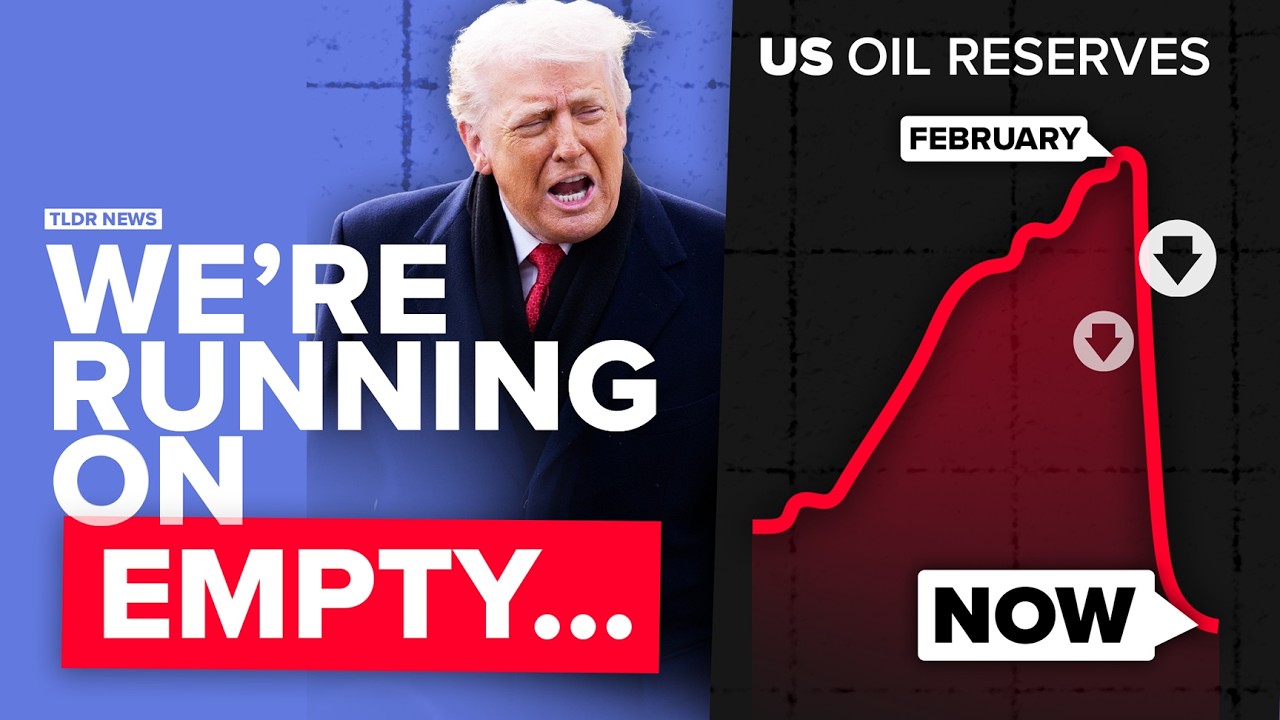
The World Is Running Out of Oil Buffers Just as Iran Turns Up the Heat
When the United States and Iran went to war in February, oil analysts predicted catastrophe. With the Strait of Hormuz effectively closed, commentators warned of $200-a-barrel crude.
Trump’s Latest Iran Strategy Unravels—Again
For years, the Trump administration’s Iran policy has been defined by a single, aggressive objective: maximum pressure. The strategy aimed to cripple Iran’s economy, halt its nuclear program, and force a comprehensive renegotiation of the 2015 nuclear deal.
The US-Iran Nuclear Deal: A Diplomatic Tightrope Walk That Reshaped the Middle East
In 2015, the world watched as the United States and Iran—two nations locked in decades of mutual hostility—signed an agreement that many believed could prevent a catastrophic war. The Joint Comprehensive Plan of Action (JCPOA), commonly known as the Iran nuclear deal, was not merely a diplomatic do
Why Trump’s Iran Oil Sanctions Will Likely Backfire on the Global Economy
In a move that has sent shockwaves through global energy markets, the Trump administration has reinstated a "maximum pressure" campaign against Iran, targeting the country’s oil exports with renewed vigor. The strategy aims to choke off Tehran’s revenue, particularly by blocking shipments through t
The Impeachment Trap: Why South Korea’s President Is Running Out of Road
In the high-stakes theater of South Korean politics, the presidency is often described as a poisoned chalice. Yoon Suk Yeol, the conservative former prosecutor who took office in 2022, is learning this lesson in real-time.