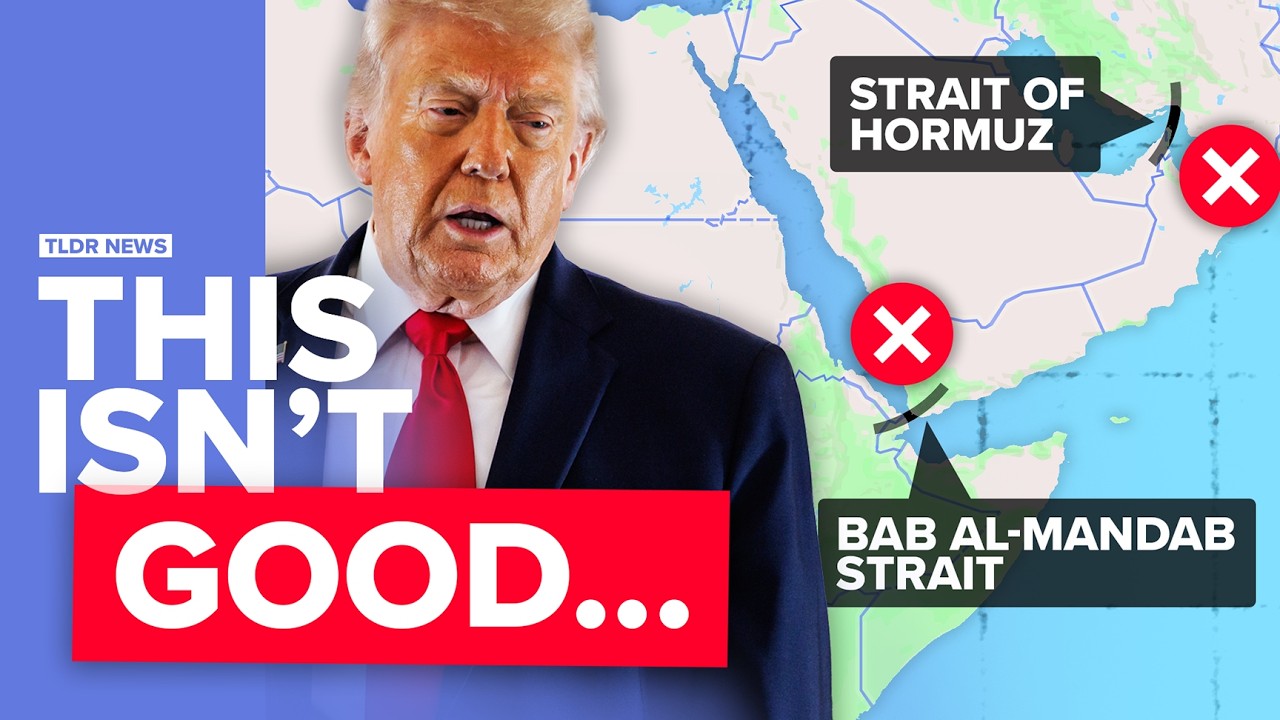
The Houthi Blockade of Bab al-Mandab: A Strategic Chokepoint Under Siege
In a dramatic escalation of regional conflict, the Houthi movement has effectively closed the Bab al-Mandab strait, one of the world’s most critical maritime chokepoints. This narrow waterway, connecting the Red Sea to the Gulf of Aden, handles roughly 10% of global seaborne trade.
In a dramatic escalation of regional conflict, the Houthi movement has effectively closed the Bab al-Mandab strait, one of the world’s most critical maritime chokepoints. This narrow waterway, connecting the Red Sea to the Gulf of Aden, handles roughly 10% of global seaborne trade. Its closure threatens to disrupt global supply chains, spike energy prices, and trigger a humanitarian catastrophe in Yemen. This article examines the immediate implications, the strategic calculations of the Houthis, and the potential responses from global powers.
The Strategic Significance of Bab al-Mandab
The Bab al-Mandab strait is a 20-mile-wide passage between Yemen and Djibouti. It is the primary route for oil tankers and container ships traveling from the Persian Gulf and Indian Ocean to the Suez Canal and European markets. Any disruption forces vessels to take the much longer route around the Cape of Good Hope, adding weeks to transit times and significantly increasing fuel and insurance costs.
The Houthi Action: Motives and Capabilities
The Houthis, an Iran-backed rebel group that controls much of northern Yemen, have long threatened to close the strait. Their recent actions—including missile attacks on commercial vessels and the planting of naval mines—have achieved a de facto blockade. The group’s stated motive is to pressure Saudi Arabia and its allies, whom they accuse of waging a brutal war against them. By targeting international shipping, the Houthis aim to raise the economic cost of the conflict for their adversaries and force a political settlement on their terms.
The Houthis have demonstrated a significant military capability. They possess anti-ship cruise missiles, drones, and naval mines, many supplied by Iran. Their ability to coordinate attacks on multiple vessels simultaneously suggests a level of tactical sophistication that surprised many naval analysts.
Immediate Economic and Humanitarian Consequences
The closure has immediate and severe consequences. Global oil prices have already spiked, as traders price in the risk of prolonged disruption. Insurance premiums for ships transiting the region have skyrocketed, making many routes commercially unviable.
For Yemen itself, the blockade is catastrophic. The country relies on imports for nearly 90% of its food and medicine. The Bab al-Mandab is the primary conduit for these vital supplies. The Houthi action has effectively cut off the very population they claim to represent, exacerbating what the UN already calls the world’s worst humanitarian crisis.
The International Response: A Dilemma for Global Powers
The international community faces a difficult choice. A direct military intervention to reopen the strait would risk a wider war with the Houthis and their Iranian backers. It could also destabilize the fragile ceasefire in Yemen.
Alternatively, inaction could set a dangerous precedent. If a non-state actor can successfully close a major international waterway, it emboldens other groups to attempt similar actions elsewhere. The strait is a global commons, and its closure threatens the economic security of every nation that depends on trade.
The Role of Iran
Iran’s role is central. The Houthis are a key proxy in Tehran’s regional strategy. By arming and training the Houthis, Iran has gained the ability to disrupt a critical global trade route without directly engaging its own military. This allows Tehran to exert pressure on Saudi Arabia, the United States, and European powers while maintaining plausible deniability. The closure of the strait is a direct challenge to the U.S.-led international order and a test of Washington’s willingness to defend freedom of navigation.
What Happens Next?
Several scenarios are plausible:
Escalation and Intervention: A coalition led by the United States and Saudi Arabia could launch a campaign to clear the strait of mines and destroy Houthi missile batteries. This would be a high-risk operation with no guarantee of success.
Negotiation and De-escalation: International diplomacy could secure a temporary halt to Houthi attacks in exchange for humanitarian aid and a broader ceasefire. This would be the least disruptive outcome but requires significant concessions from all parties.
Prolonged Disruption: The Houthis could maintain their blockade for months, forcing the global shipping industry to permanently reroute. This would reshape trade patterns, increase costs, and potentially trigger a global recession.
Conclusion
The closure of the Bab al-Mandab strait is not merely a regional crisis; it is a global one. It exposes the fragility of the international trading system and the vulnerability of critical infrastructure to asymmetric threats. The world now watches to see whether diplomacy or force will prevail—and at what cost. For now, the strait remains closed, and the consequences are mounting.
Related Coverage
Houthis Seize Red Sea Islands, 86,000 Flee as Saudi Oil Route Threatened
Iran-backed rebels capture key shipping chokepoint as tens of thousands displaced and Saudi pipeline halts.
Houthis Seize 2 Yemen Islands, Threatening 12% of Global Trade at Bab el-Mandeb
Houthi forces have captured key islands in the Bab el-Mandeb Strait, giving them control over a waterway that handles about 12 percent of world trade.
Iran Shuts Hormuz and Houthis Choke Bab al-Mandab: 147,000 Flee Yemen in 18 Days as Two Oil Routes Close
Iran refuses to reopen the Strait of Hormuz and Houthi rebels tighten their grip on the Bab al-Mandab, threatening a fifth of the world's oil and displacing nearly 147,000 Yemenis in under three weeks.
Oil Hits $110 as Houthis Seize Red Sea Strait, 500 Die in Yemen in a Week
Houthi forces have captured key points along the Bab el-Mandeb Strait, threatening global oil shipments and pushing prices above $100 a barrel as Saudi Arabia shuts down a major pipeline.
Iran & Houthis Trigger Twin Oil Chokepoint Crisis; 20% of Global Supply at Risk
Global oil markets are in turmoil as Iran and its Houthi allies launch coordinated attacks on two of the world's most critical maritime chokepoints—the Strait of Hormuz and the Bab el-Mandeb Strait—threatening to cut off nearly a fifth of the world's oil supply and push prices above $120 per barrel.
Iran Shuts Strait of Hormuz After US Strikes, 20% of Global Oil at Risk
Iran has closed the Strait of Hormuz to all shipping after the United States launched a second consecutive night of airstrikes, dismissing any ceasefire as "practically meaningless" and threatening to attack any vessel that attempts to pass through the strategic waterway.
Related Editorials
Why Trump’s Iran Oil Sanctions Will Likely Backfire on the Global Economy
In a move that has sent shockwaves through global energy markets, the Trump administration has reinstated a "maximum pressure" campaign against Iran, targeting the country’s oil exports with renewed vigor. The strategy aims to choke off Tehran’s revenue, particularly by blocking shipments through t
The World Is Running Out of Oil Buffers Just as Iran Turns Up the Heat
When the United States and Iran went to war in February, oil analysts predicted catastrophe. With the Strait of Hormuz effectively closed, commentators warned of $200-a-barrel crude.
The Saudi-Houthi Truce Shatters: A Return to Yemen’s Endless War
The fragile calm that had settled over Yemen’s front lines has evaporated. After months of relative quiet and tentative diplomatic overtures, the truce between the Saudi-backed coalition and the Houthi movement has collapsed, plunging the region back into active conflict.