The Great Mismatch: Why Gen Z’s Record Unemployment Defies a Booming Economy
The global labor market is presenting a paradox. In economies where job vacancies outnumber available workers, one demographic is conspicuously struggling to secure a foothold: Generation Z.
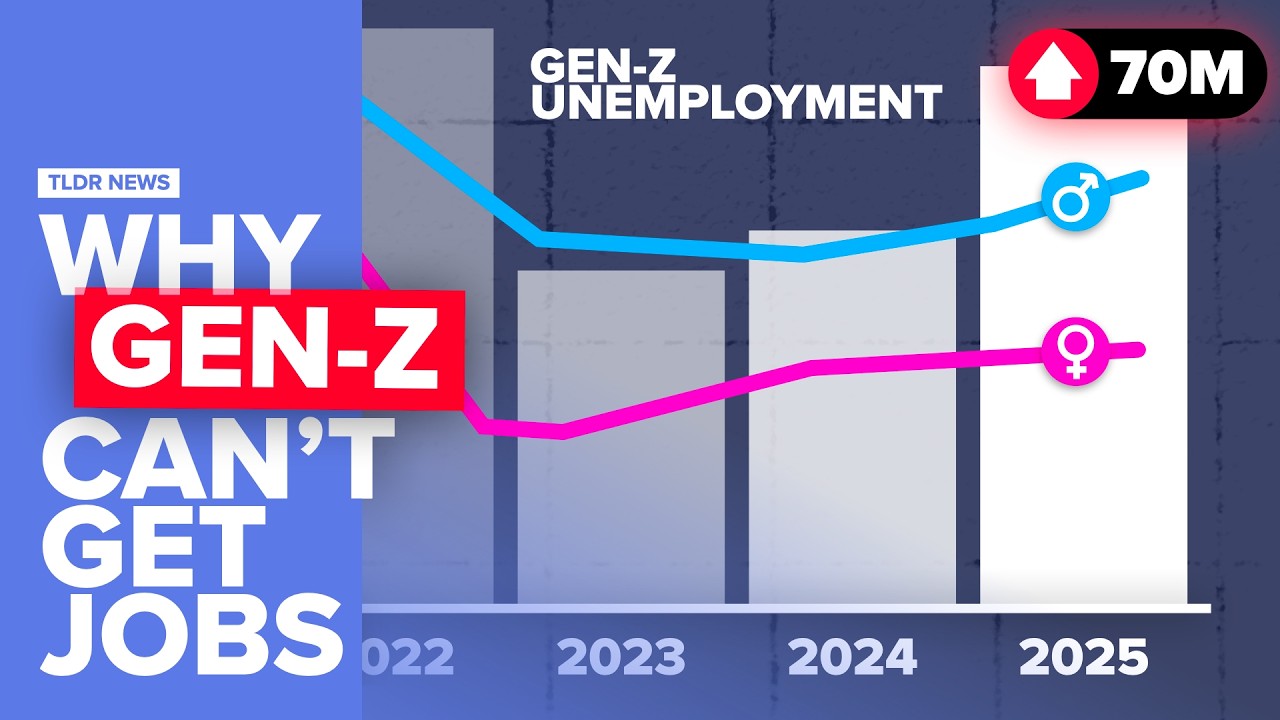
The global labor market is presenting a paradox. In economies where job vacancies outnumber available workers, one demographic is conspicuously struggling to secure a foothold: Generation Z. While headlines tout low overall unemployment rates, a deeper dive into the data reveals a stark reality for those aged 16 to 24. This is not a story of a lack of jobs, but rather a profound disconnect between the jobs available and the expectations, skills, and economic realities of the youngest generation in the workforce.
The core of the issue lies in a structural mismatch. The post-pandemic economy has been defined by a surge in service-sector roles, hospitality, and retail. These positions, often characterized by part-time hours, unpredictable scheduling, and stagnant wages, are failing to attract young candidates. Simultaneously, the high-growth sectors that Gen Z aspires to—technology, finance, and green energy—are demanding a level of experience that entry-level candidates rarely possess. This creates a "no experience, no job; no job, no experience" trap that is particularly acute for recent graduates.
However, the crisis is not solely a matter of job specifications; it is also a crisis of valuation. A significant cultural shift has occurred regarding wage expectations. Having witnessed a period of high inflation and rising living costs, Gen Z is increasingly refusing to accept positions that do not offer a livable wage. This is not merely an act of defiance but a rational economic calculation. In many metropolitan areas, the median salary for an entry-level position is insufficient to cover basic rent, forcing many to choose between underemployment and living with their parents.
Furthermore, the psychological impact of the "gig economy" and the pandemic’s disruption of campus recruiting has left many young people feeling burned out before they even begin. The traditional pipeline from education to employment was severed, and the alternative pathways—online certifications and freelance platforms—often fail to provide the stability or health benefits that a permanent contract offers. The result is a cohort that is increasingly anxious, disillusioned, and selective, choosing to remain in education or part-time work rather than accept a role they perceive as a dead end.
The implications of this disconnect extend far beyond the individual. Economists warn of a "scarring effect," where prolonged unemployment or underemployment at the start of a career leads to permanently lower lifetime earnings. For businesses, the inability to hire young talent creates a demographic time bomb, with a potential shortage of mid-level managers in a decade. For society, the risk is a generation that feels economically alienated, fueling political instability and social unrest.
Solving this crisis requires a fundamental reassessment from all stakeholders. Employers must move beyond the "years of experience" checklist and focus on potential and trainability, offering robust apprenticeship models that blend education with income. Policymakers must incentivize companies to create quality, entry-level jobs with clear progression pathways, rather than subsidizing low-wage, precarious work. And for Gen Z, the challenge is to balance the justified demand for fair compensation with the pragmatic necessity of building a career trajectory, perhaps seeking out industries that offer rapid upskilling even if the starting salary is modest.
The "unemployment crisis" is, in reality, a negotiation crisis. It is a standoff between a generation that refuses to be undervalued and an economic system that has not yet adapted to the new realities of the cost of living and the value of labor. Until that negotiation yields a sustainable compromise, the paradox of a booming economy with a struggling youth workforce will remain one of the defining economic challenges of our time.
Related Coverage
Asia’s Currency Meltdown: Central Banks Lose $40 Billion Fight as Youth Ditch Degrees
A currency crisis is sweeping across Asia, with central banks losing their battle to defend national currencies against a triple threat of energy costs, rising U.S. interest rates, and a massive investment shift toward artificial intelligence. Meanwhile, young people worldwide are abandoning traditional college paths, flocking instead to franchise ownership and the creative economy as universities struggle to stay relevant.
Gen Z Teachers Flee US Classrooms for Jobs Abroad: 1 Year Later, They’re Not Coming Back
A growing number of young American teachers are leaving the US education system to work in countries like South Korea, citing low pay, burnout, and a tough job market back home.
Related Editorials
The Broken Promise: Why a Generation Is Losing Faith in the Economic System
For decades, the implicit social contract was simple: work hard, play by the rules, and your standard of living will surpass that of your parents. Today, that promise rings hollow for millions of young people across the developed world.
The Loneliness Economy: How Neoliberalism Left Us Isolated
In an era of unprecedented digital connectivity, a paradox has emerged: modern societies are experiencing an epidemic of loneliness. While many blame social media or urban alienation, a growing body of critical thought points to a deeper, systemic cause.
The Vanishing Third Places: Why Young People Are Losing the Spaces Where Friendships Are Born
In the digital age, we are more connected than ever, yet the physical spaces where spontaneous human connection thrives are disappearing. For young adults, this loss is not merely an inconvenience; it is a structural shift that is quietly reshaping the fabric of social life.