Malaria in Africa: A Childhood Crisis Worsened by Climate Change
Malaria has long been a leading cause of death among children in Africa. Now, climate change is reshaping where and when the disease spreads, putting millions more young lives at risk.
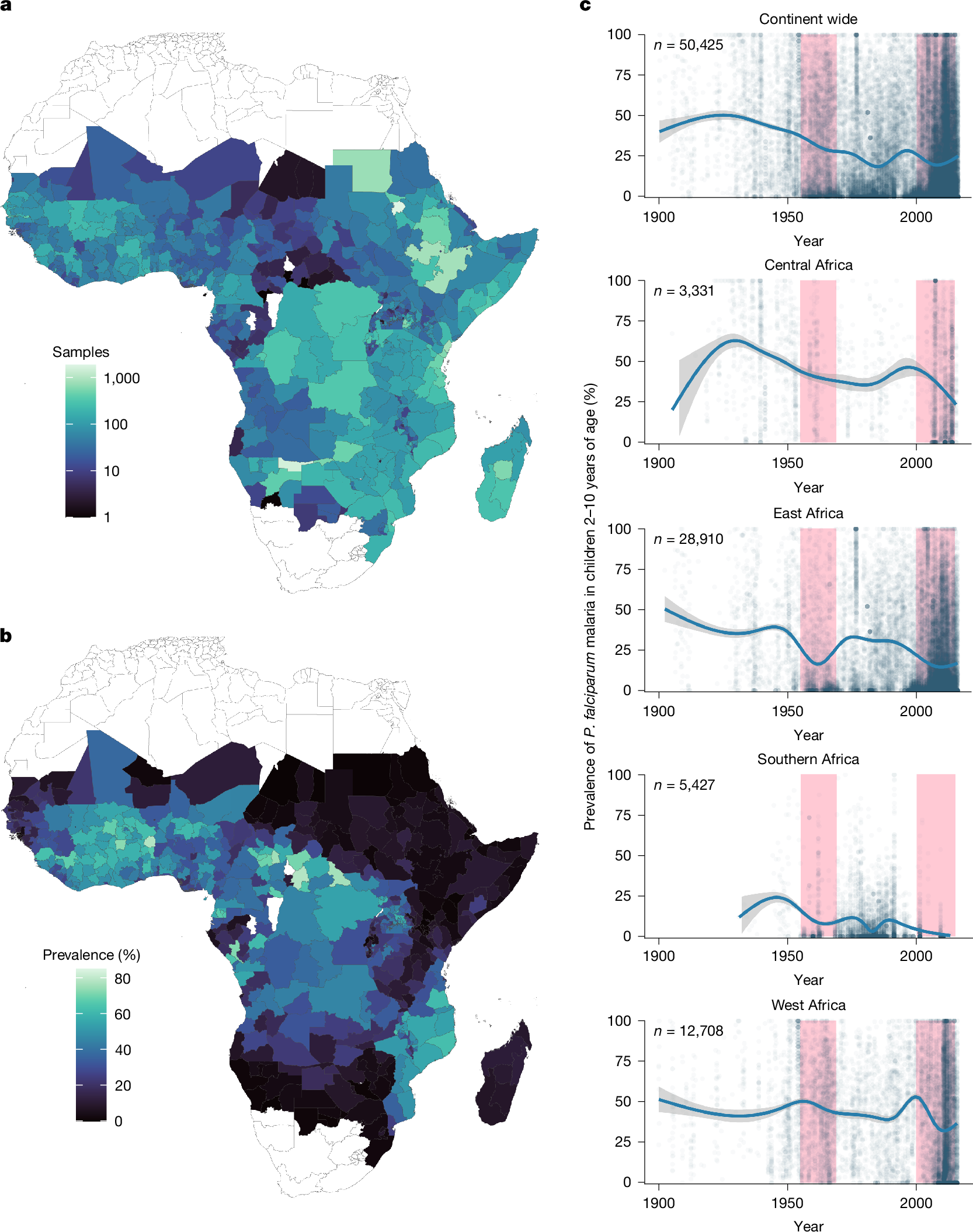
Rising temperatures and shifting rainfall patterns are creating new breeding grounds for malaria-carrying mosquitoes. In traditionally cooler highland regions, where children previously had little exposure to the disease, cases are now emerging. Meanwhile, in some lowland areas, unpredictable droughts may temporarily reduce mosquito populations, but heavy rains that follow often trigger severe outbreaks.
The disease primarily affects children under five, who account for the vast majority of malaria deaths in Africa. As the climate warms, scientists warn that the transmission season is lengthening in many regions. This means more months of exposure for vulnerable children.
Public health efforts, including bed nets and antimalarial drugs, have saved millions of lives. However, climate change threatens to undo this progress if adaptation strategies are not updated. Without action, the number of children at risk could rise significantly in the coming decades.
The link between malaria and climate is clear: a warmer planet means a more dangerous environment for Africa’s children.