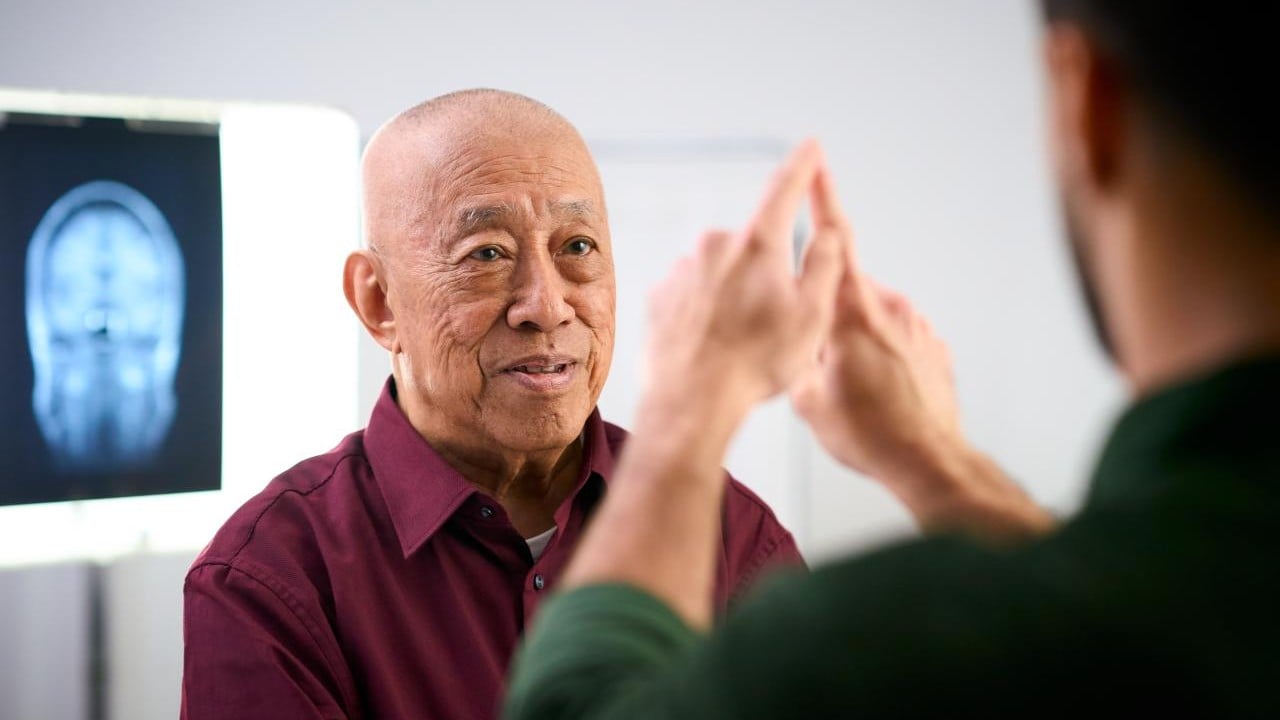
75% of Dementia Cases Go Undiagnosed—Here’s How to Change That
As global populations age and daily stress rises, cognitive decline has become a major public-health issue—particularly for older adults. Yet the numbers are stark: 75% of people living with dementia worldwide never receive a formal diagnosis. For the few who do, the path to care is often blocked. Many patients wait up to two years just to get a diagnostic appointment.
A recent community-based initiative aims to close that gap. By focusing on early detection and proactive care, experts say up to 40% of dementia cases could be prevented or delayed. The approach does not rely on expensive hospital infrastructure. Instead, it brings screening and support directly into local communities, where people are more likely to seek help early.
Early action matters. When cognitive issues are caught sooner, patients and families gain time to plan, access treatment, and slow the disease’s progress. The new model also reduces strain on overburdened health systems by cutting down long referral queues.
The message is clear: dementia is not an inevitable part of aging. With the right tools and timing, many cases can be stopped before they start.