Ceuta's Children: Alone, Unprotected, and Out of Time
A month and a half after thousands of migrants arrived in Ceuta, many children remain unidentified and without safe shelter. UNICEF warns the protection system is overwhelmed.
The Spanish enclave of Ceuta is facing an unprecedented situation. Thousands of people, including many children, arrived in the city in a short period. The impact on local life, especially for children, is significant.
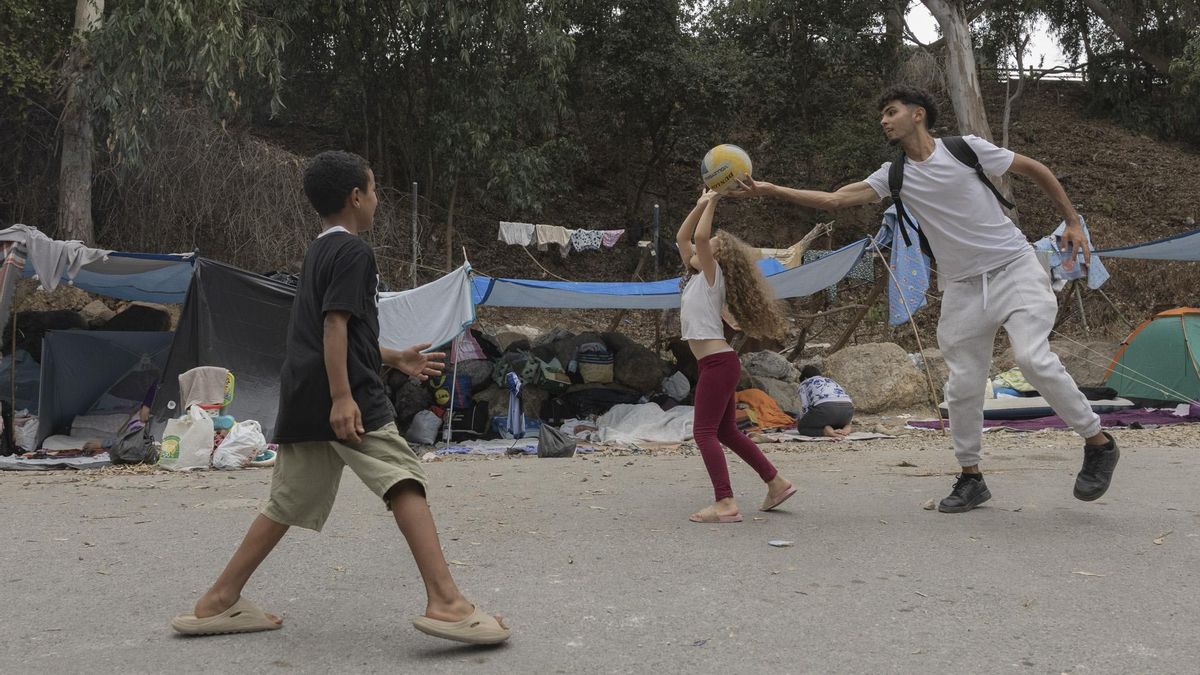
Many children who risked their lives at sea to reach Spain now live in uncertainty. They face poor conditions for food, health, hygiene, and protection. This is especially true for those still sleeping on the streets or hiding in the mountains or in houses.
Local families are worried. Daily life, including the start of the school year, has been disrupted.
UNICEF Spain says its concern is for all children—both those who just arrived and those already living in Ceuta. The challenge is twofold: restore normal life for local children so they can attend school and play safely, and provide protection and proper conditions for the new arrivals, whose situation is often critical.
The protection system has been overwhelmed. Despite efforts, many people—including children—have not yet been identified or moved to safe centers. Solutions are not quick, but they must speed up.
UNICEF calls for more shelter resources and faster identification of unaccompanied children. Each child's case must be evaluated individually to determine what is best for them. This follows Spanish law and universal child protection principles.
A new Emergency Unit for Children (UMAIME), proposed by UNICEF Spain and led by the Ministry of Youth and Childhood, has been created to support authorities working with children in emergencies like this.
UNICEF has met with authorities in recent weeks to stress that all children in Ceuta must be the top priority. This requires coordination between the City of Ceuta, the central government, and other regions. Ceuta cannot handle a migration crisis of this scale alone. Moving children to other regions will also help local children.
Children already living in Ceuta must feel safe in their own city. Psychosocial support services need strengthening. It is unacceptable that thousands of children are alone on the streets without access to basic services.
Protecting local children and protecting migrant children are not competing goals. Safe spaces, proper conditions, careful registration of each child, and transfers to other regions are all part of the solution. This is the path to ensuring every child in Ceuta today can grow up safe, protected, and with their rights fully respected.