Spain's Housing Crisis: The 15M Generation's Broken Promise
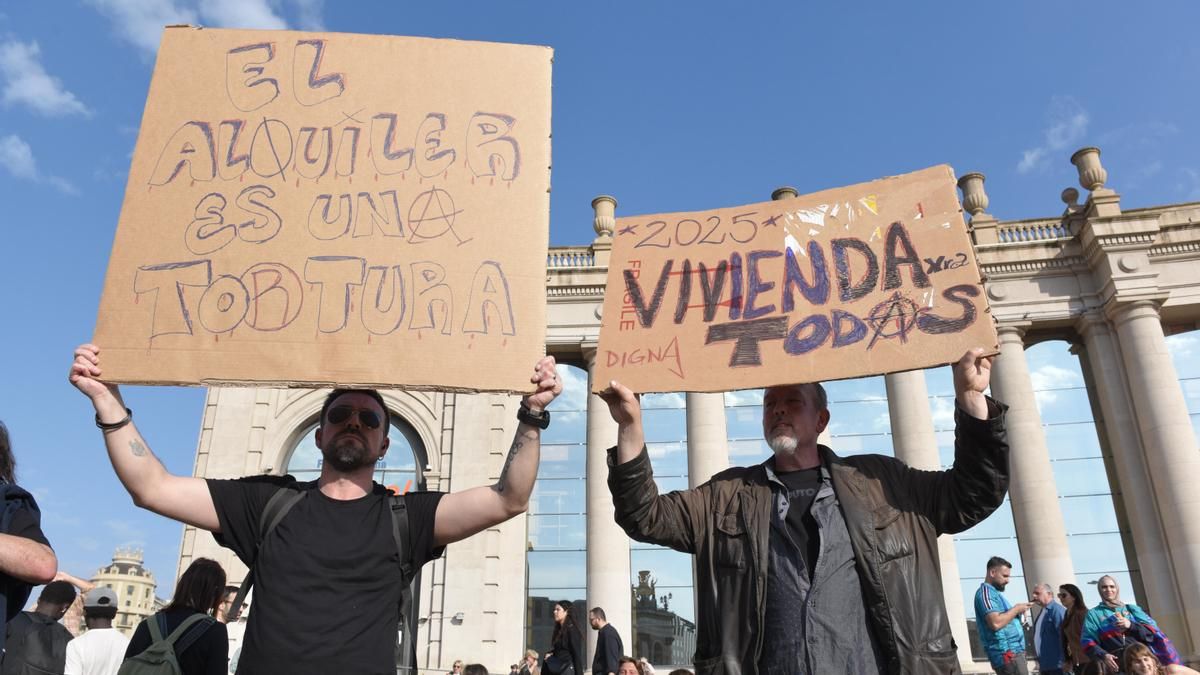
In 2011, Spain's 15M movement filled Madrid's Puerta del Sol with protesters demanding affordable housing. Fifteen years later, the same square is crowded again—but the crisis has only worsened.
The housing problem has exploded. A home that many Spaniards never owned is now collapsing under speculative greed. This is not a metaphor. The housing crisis is hitting harder amid the climate emergency: overcrowding, basement apartments, flood-prone zones, and crumbling buildings expose citizens to energy poverty, heat deaths, and flooding. Homelessness adds to the toll.
Responsibility is shared among city councils, regional governments, and the central government. Too often, they have prioritized turning cities into tourist theme parks while pushing residents away from their neighborhoods, schools, and workplaces.
The pandemic made things worse. Remote work recommendations were forgotten, and the generational divide—a key issue of our century—remains ignored. Without safe housing and a healthy environment, no society is truly safe.
A new government decree offers little magic. No progressive party seems able to channel public anger, which risks fading into voter abstention. With Ceuta unresolved and global instability growing, housing adds fuel to an already burning fire. The opposition watches the flames spread, ready to benefit.
It is too late to build significant social housing before the next election. The blue-tinged despair of 2011—what we called "cyanosis"—has returned.
The 15M movement exposed a civilizational failure and sparked grassroots energy. Today, that energy is weakened, surrounded by an emboldened far right. Some still believe the future can bring change toward well-being and joy. But history is dark, memory is wise, and the future—God forbid—should not rhyme with demolition.