De-extinction Is a Myth? Scientists Challenge Colossal Claims
Genetic engineering can create animals with traits of extinct species. But it cannot bring the original species back, two scientists argue in a new scientific opinion article published in the journal *Biology Letters*.
Researchers Andrew Davinack and Charlotte K. Daniels challenge claims about "de-extinction." They say a species is not defined by its DNA alone. It also depends on the continuous history of its populations and the evolutionary path that shaped them. Copying certain traits of a lost animal, they argue, does not prove its lineage has been restored.
The article uses the dire wolf (*Aenocyon dirus*) as its main example. This predator disappeared at the end of the Pleistocene epoch, around 12,000 years ago. The US company Colossal Biosciences announced it had "recovered" the species by creating genetically modified canids.
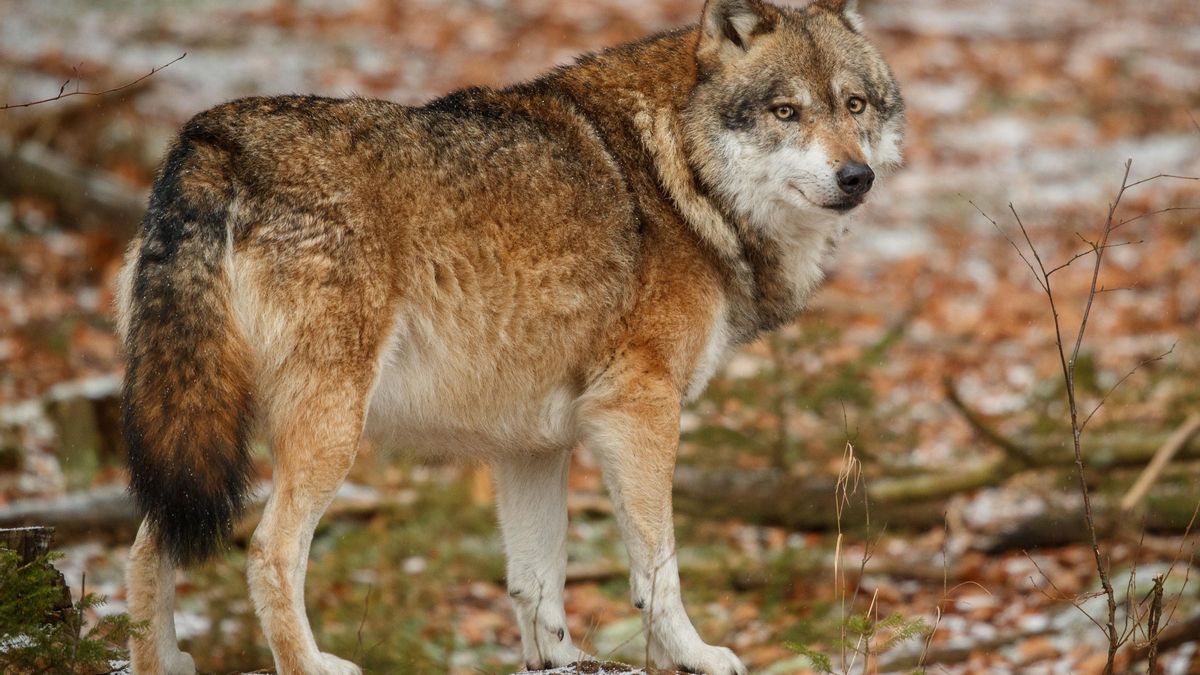
The authors reject that claim. They note the animals come from modern gray wolves (*Canis lupus*), not from viable biological material preserved from the dire wolf. The two lineages separated about 5.7 million years ago, and no evidence of recent interbreeding between them has been found.
**Why editing DNA is not the same as reviving a species**
According to the company's own account, researchers compared ancient dire wolf DNA with modern canid genomes. They then introduced 20 changes across 14 genes into gray wolf cells. Next, they used the nuclei of those cells to produce animals through cloning and gestation in surrogate mothers.
The result: animals with traits inferred from the extinct predator, but without a complete reconstruction of its genome. The company did not respond to a request for comment.
The problem goes beyond technical limits. A species' genetic diversity is spread across many individuals and populations. It changes over generations through mutations, natural selection, migration and other evolutionary processes. Even a very accurate reconstruction of one animal's genome would reveal little about the variability of its original population. Nor would it reproduce the demographic shifts and family relationships that drove its evolution.
The authors call this error "confusing lineage with genome"—the mistake of assuming that rebuilding genetic information means recovering the historic population it came from. This distinction matters because scientists define "species" in different ways. Some stress physical traits or the ability to reproduce. Others give more weight to shared ancestry. From the evolutionary view defended in the article, a species' identity is tied to its genealogical history—something gene editing alone cannot rebuild.
**Cloning and frozen embryos: a real biological link**
The paper separates gene editing of living species from other methods. These include cloning from viable cells preserved from extinct animals, or developing cryopreserved embryos. In such cases, there is a direct biological connection to the historic population. Preserved embryos are the clearest example: they were produced by that same population before it vanished.
The natural environment poses further limits. An animal engineered to mimic dire wolf traits would enter today's ecosystems, with different prey, competitors, parasites and climate than in the Pleistocene. Even if it played a similar ecological role, it would not restore the original species' relationships with its surroundings. The researchers therefore propose separating three goals: recovering physical traits, replacing ecological functions, and restoring an evolutionary lineage. Each requires different standards of proof.
**Gene editing still has value, scientists say**
Despite these objections, Davinack and Daniels acknowledge the scientific value of the technology behind de-extinction projects. Gene editing can help researchers study how specific genes shape an organism's traits.
Its applications could be especially useful for conserving species that still exist. Analyzing historic genomes could help identify lost genetic variants. In some cases, these variants could be reintroduced into living populations to reduce inbreeding and preserve their ability to adapt.