Pelé’s Shoelace Stunt Started a $1 Billion World Cup War
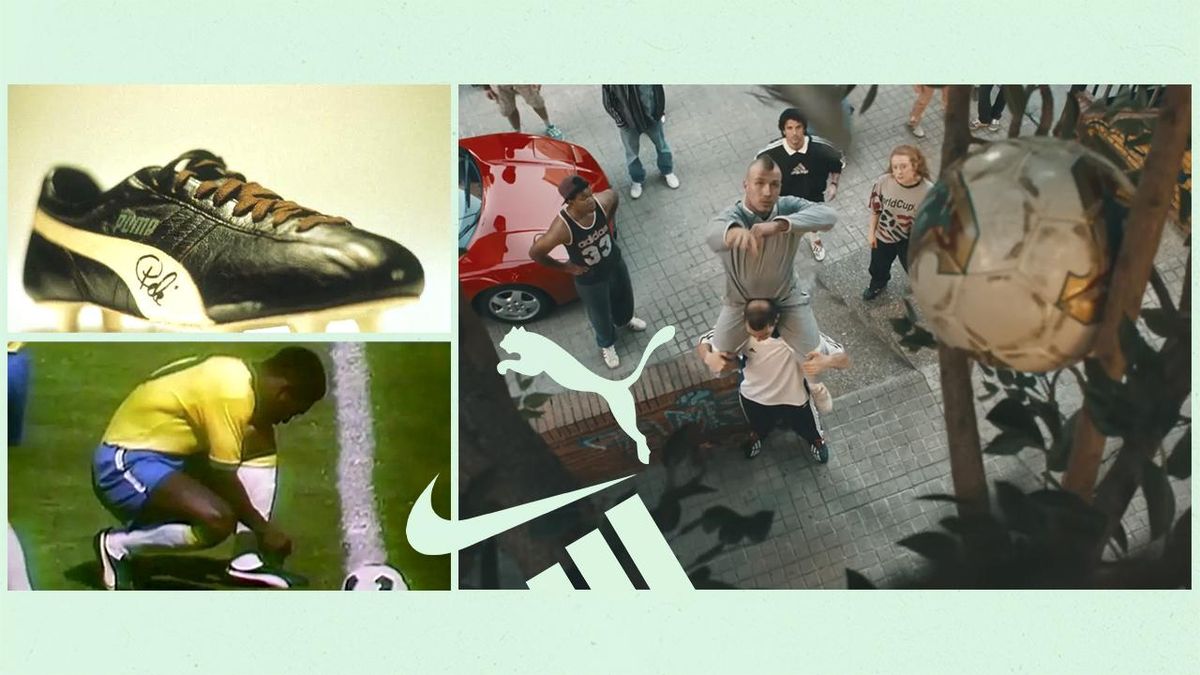
It was 1970. The World Cup was broadcast live in color for the first time. In Guadalajara, Mexico, Brazilian star Pelé bent down in the center of the field to tie his boots. The cameras zoomed in. The world watched.
It looked like a simple gesture. It was not.
Pelé was showing off his new Puma boots, with their bright yellow logo. A clever marketing trick. It was the first time a player placed a brand on screen during a match. He did not get paid for it. The man behind the idea was Hans Henningsen, a German-born agent living in the Canary Islands. His story is told in a new documentary, *El Rey Puma*.
That moment changed football forever. It started a race between sportswear giants that continues today.
**The Brothers Who Split**
The war began in a small German town called Herzogenaurach. In the 1920s, two brothers, Adolf and Rudolf Dassler, started a shoe company. After a fight in 1948, they split. Adolf founded Adidas. Rudolf founded Puma.
They became rivals. For decades, they fought for the best players.
In 1974, Dutch star Johan Cruyff tore the Adidas stripes off his national team shirt because he had a personal deal with Puma. In 1978, Henningsen signed Argentina’s coach, César Luis Menotti, for Puma. Then he signed a young player named Diego Maradona. Maradona’s first contract? 100 dollars a month.
During the 1986 World Cup in Mexico, Maradona walked onto the field with his shoelaces untied. He wanted photographers to surround him. Then he tied his boots, slowly, showing off the Puma logo. Henningsen watched from the shadows.
**Nike Enters the Game**
In the 1990s, a new player arrived: Nike. The American company made billions with basketball star Michael Jordan. Now it wanted football.
Nike signed Brazilian star Ronaldo Nazario. For the 1998 World Cup, Nike made a famous ad showing the Brazilian team playing in an airport. It was a huge success. But France, sponsored by Adidas, won the final. The next day, Adidas placed a newspaper ad with a simple line: “World Cups are won on the field, not in airports.”
The marketing war had become personal.
**The Business Today**
Today, three brands dominate the World Cup. Of the 48 teams, 14 wear Adidas, 12 wear Nike, and 11 wear Puma. Together, they make three out of every four shirts at the tournament.
FIFA expects to earn about 8.3 billion euros this year. Almost half comes from television. A third comes from tickets and hospitality. The rest is marketing. This does not include the money from team shirts.
Adidas and Nike each project around 1 billion dollars in football-related revenue. They spend millions on ads that look like movies. The ads feature stars like Messi, Cristiano Ronaldo, Mbappé, and even Hollywood actors. They mix pop culture with nostalgia.
Each brand has a top icon. Adidas has Messi. Nike has Cristiano Ronaldo. Puma has Neymar. Each star earns at least 20 million dollars a year from sponsorship alone.
**The Dark Side**
The race for money led to scandal. In 2015, US authorities uncovered the FIFA Gate corruption case. It ended the rule of FIFA president Joseph Blatter and sent several football officials to prison.
Today, FIFA president Gianni Infantino says the 2026 World Cup will be “the biggest event humanity has ever seen.” The tournament will have more teams, more matches, and more television hours than ever before.
But behind the glitter, there is a shadow. Factories that make the shirts have been accused of poor working conditions. The brands deny the claims.
**One Man’s Legacy**
Hans Henningsen died long ago. But his influence remains. In the documentary *El Rey Puma*, a journalist says: “If I were Neymar, Mbappé, or Messi, I would ask where Hans is buried and leave a flower.”
He started it all with a simple shoelace. Now, the marketing race has no finish line.