FIFA’s “Civilization”: From $25,000 Bribes to Billion-Dollar Deals
What is “civilization”? It is often defined as a society’s culture and progress. But in modern football, civilization means one thing: power concentrated in very few hands.
The 1974 World Cup in West Germany marked a turning point. That year, Brazilian Joao Havelange became FIFA president and opened the sport to big money—TV rights, sponsorships, and massive corruption. Swiss prosecutors say Havelange took about $40 million in bribes during his 24-year rule.
But the 1974 tournament also showed a “less civilized” side of the game. It is known as the “Gadocha case.”
Poland had a strong team. After beating Argentina 3-2 and Haiti 7-0, Poland was already qualified for the next round. Argentina needed Poland to beat Italy, while Argentina beat Haiti by three goals.
An Argentine journalist met Polish star Robert Gadocha. With a friend, Gadocha suggested his team would accept “incentives” to try hard against Italy.
Argentine players collected $25,000. Defender Enrique Wolff later said: “Each of us paid $1,000. Some couldn’t afford it, so the Argentine federation paid—but deducted it from our bonuses.”
Poland kept its promise. At halftime, Poland led Italy 2-0. Then, according to Polish defender Wladyslaw Zmuda, Italian official Italo Allodi entered the Polish locker room with a suitcase full of dollars. Italy lost 2-1 and was eliminated.
What happened to the Argentine money? According to a witness, Gadocha kept it all. Years later, when a teammate called him to ask about it, Gadocha never answered. He never spoke to his old teammates again.
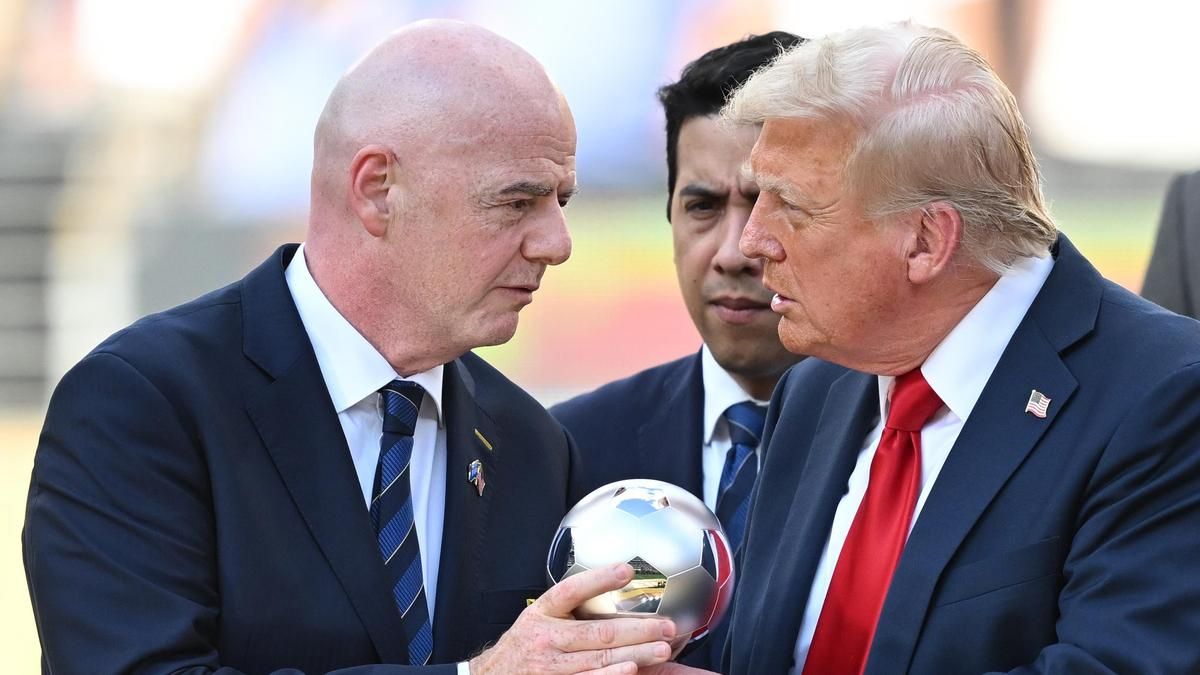
Today, no player on a private jet would accept a suitcase of cash. But today, no World Cup host is chosen without arms deals, billions in contracts between politicians and oil monarchies, or even Nobel Peace Prizes for controversial figures.
Football has become as “civilized” as the world itself.