324-Million-Year-Old Fossil Shows Insects’ First Steps on Land
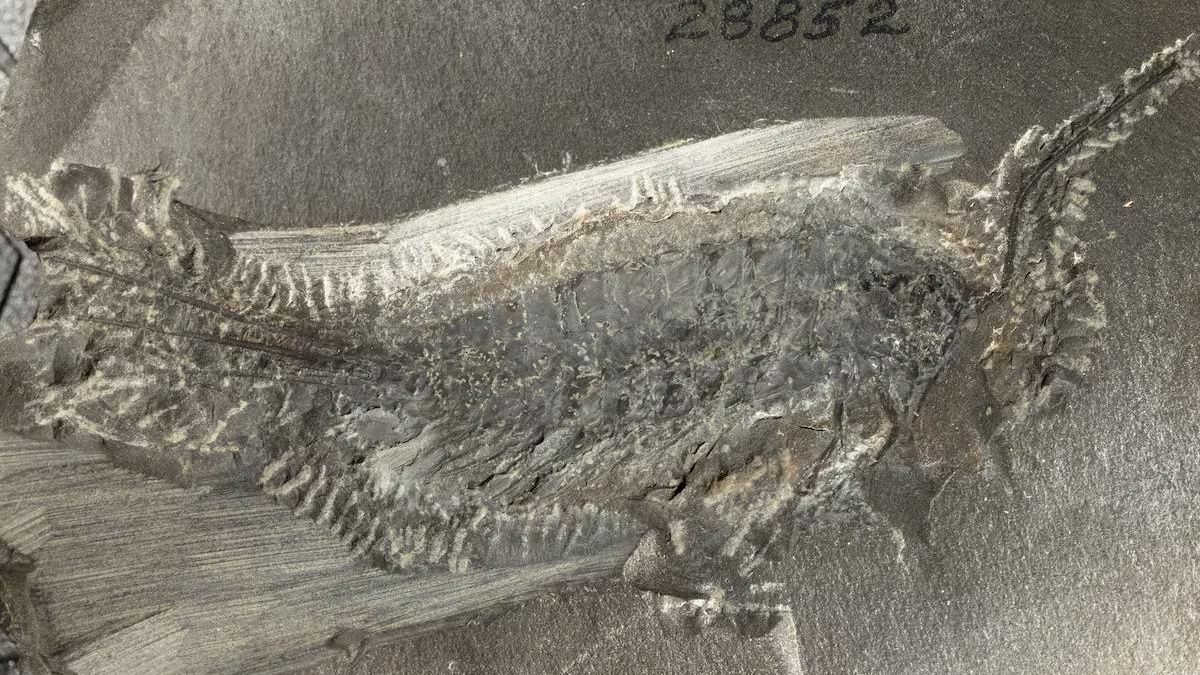
A tiny fossil found in Texas is rewriting the early history of insects. The creature, named *Chosha praecursor*, lived about 324 million years ago. It had six legs like a modern insect, but its abdomen carried something no insect has today: a series of small, paddle-shaped appendages.
Scientists say the animal fills a major gap in the fossil record. That period marks a key shift when life was moving from water to land—but until now, almost no insect fossils from that time had been found.
“This fossil is a major milestone in a puzzling period when everything was changing,” said Dany Azar, a paleoentomologist at the Lebanese University and the Nanjing Institute of Geology and Palaeontology in China. He spoke to *Science News*.
The discovery was published recently in the journal *Nature*.
The story of how it was identified starts five years ago. Erik Tihelka, a paleoentomologist at the University of Cambridge, was flipping through a textbook. A drawing of a fossil found in 1985 caught his eye. Experts had labeled it as a crustacean. Tihelka suspected they were wrong.
He and his team traveled to the San Diego Natural History Museum, where the specimen was kept. They studied its body closely. The thorax showed the classic structure of a hexapod—the group that includes insects—with three pairs of legs. But the abdomen had features that later insects lost during evolution.
The evidence pointed to a creature caught between crustaceans and insects. It appeared to be a possible missing link in that evolutionary gap.
The team then compared it with other similar fossils. Their conclusion: insects did not become full land animals right after leaving the ocean. Instead, they likely passed through a semi-aquatic, amphibious stage. During this time, they kept physical traits that allowed them to move between water and land.